
← All posts·By Jason Donovan
When planning an African birding expedition, it is easy to get distracted by the sheer species counts of the continent's larger nations. But for the serious birder, success isn’t measured just by the length of the list—it’s measured by the rarity of the encounters and the efficiency of the terrain.
Rwanda is frequently overshadowed by its neighbours, yet it offers something they cannot: a compact, high-altitude corridor where geographical diversity is packed into a remarkably small footprint. If you are targeting the "Albertine Rift Endemics" (AREs), there is simply no better place to be on glass.
The Vertical Advantage: A Geological Masterclass
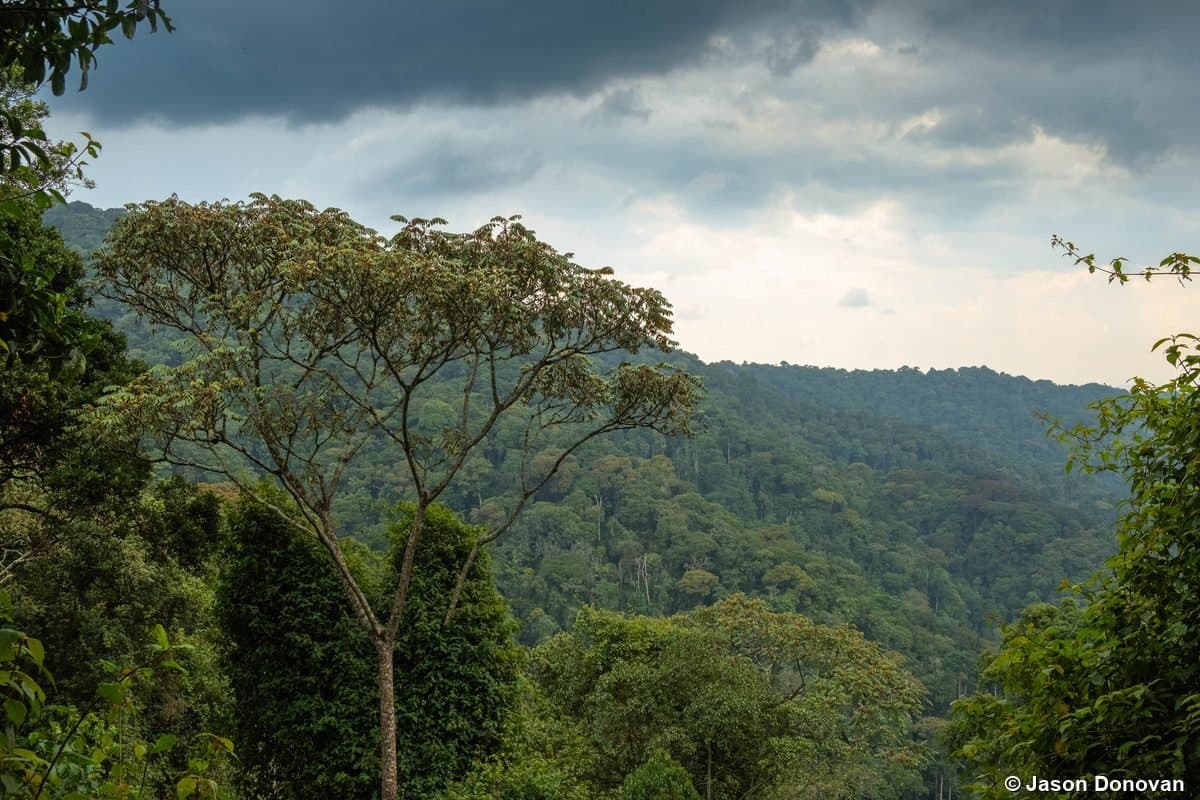
Rwanda’s primary draw is its dramatic elevation profile. In a single morning, you can move from the papyrus swamps of the east to the ancient, mist-shrouded Afromontane forests of the west. This geological "compression" means you spend less time in a transfer vehicle and more time in the field.
The crown jewel is Nyungwe National Park. This isn't just a forest; it is a high-altitude refugium that survived the last ice age, making it one of the oldest biomes on the continent. For those of us chasing the "Albertine 29," Nyungwe is the epicenter. While other regions claim these birds, Rwanda offers the infrastructure to actually find them. The Red-collared Mountain Babbler—a notoriously localized specialist—is a prime example of a bird that is virtually impossible elsewhere but reliably recorded here.
Specialised Habitats, Specialised Targets
We often see visitors arrive obsessed with the Shoebill, but as any seasoned birder knows, the odds of a sighting in the deep marshes are slim enough to be a distraction. At Raw Africa Tours, we prefer to focus on the high-yield specialists that define this landscape.
The Albertine Specialists: In the high canopy of the Uwinka ridge, the Rwenzori Turaco is a common, though always breathtaking, sight. Its iridescent plumage is the quintessential "welcome" to the Rwandan highlands.
The Bogs and Bamboo: In the Kamiranzovu swamp, we look for the Grauer’s Swamp Warbler, a bird that requires a patient ear and a deep understanding of its specific micro-habitat.
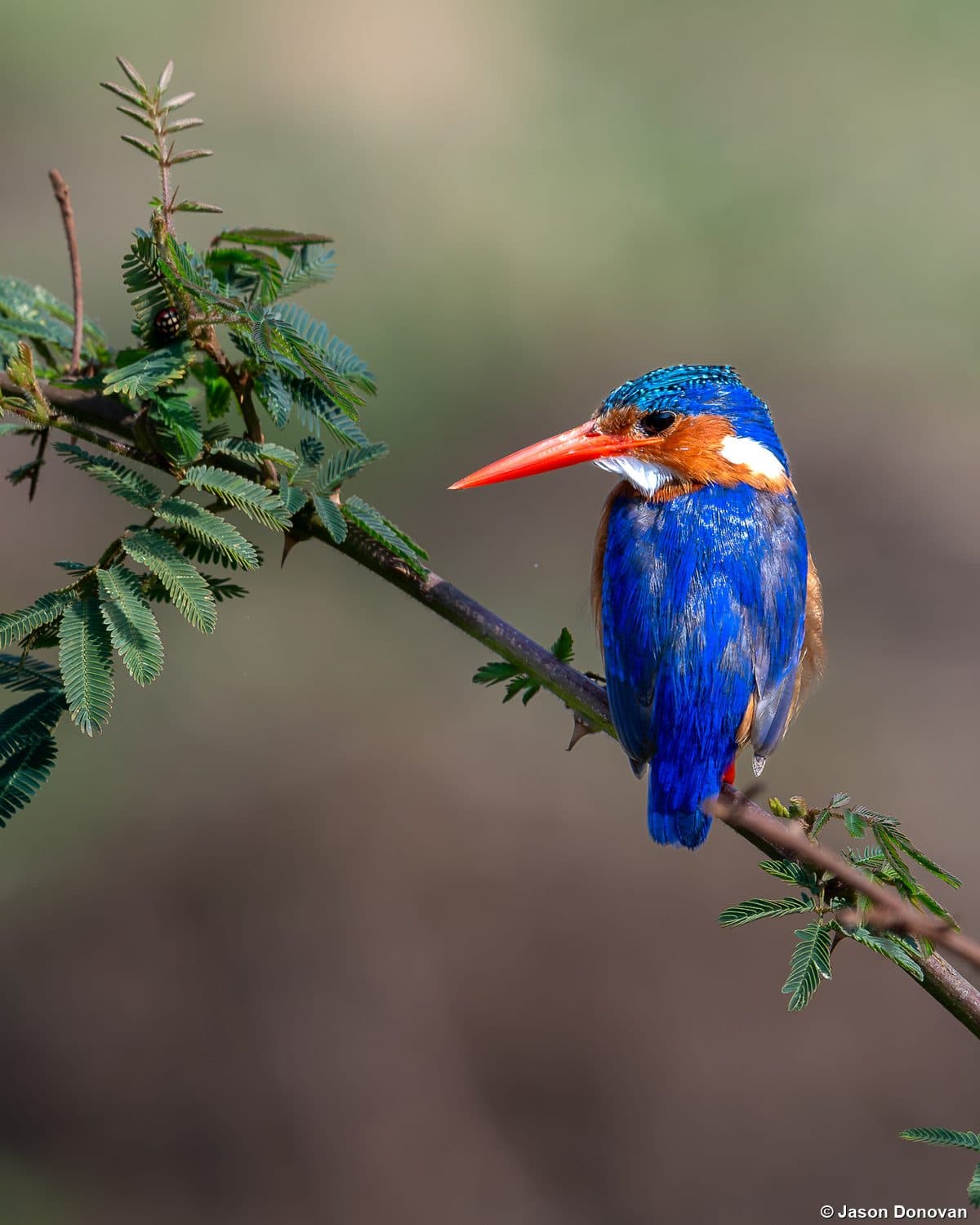
The Savannah Transition: Moving east to Akagera, the geology shifts into a mosaic of acacia and water. Here, the focus shifts to the Red-faced Barbet and the Papyrus Gonolek. These are birds of character and range-restriction that provide a necessary balance to the forest-heavy lists of the west.
Technical Precision in the Field
Professional birding requires more than just a guide; it requires an obsession with detail. Rwanda’s logistics allow for a "technical" pace. The roads are excellent, the IBAs (Important Bird Areas) are well-managed, and even the urban wetlands of Kigali—like Nyandungu—offer immediate access to species like the White-collared Oliveback the moment you touch down.
Plan a birding expedition
Our bird photography tour is built around the Albertine Rift Endemics, Akagera's wetland specialists and the urban wetlands of Kigali.