
Safari Photography Tours in Rwanda
Private, photographer-led game drives in Akagera National Park: the Big Five, a boat safari on Lake Ihema, and mountain gorillas on the same trip if you want them.
Rhino species
km² of park
Safaris: land and water
Photographer guide
Professional safari photography, planned around the light
A safari photography tour is not a sightseeing drive with a camera. Every game drive is timed for the low light of early morning and late afternoon, the vehicle is placed for a clean background and the right angle, and we stay with a sighting for as long as it is worth photographing. I am a professional photographer as well as your guide, so the help with settings, composition and editing comes with you on every drive.
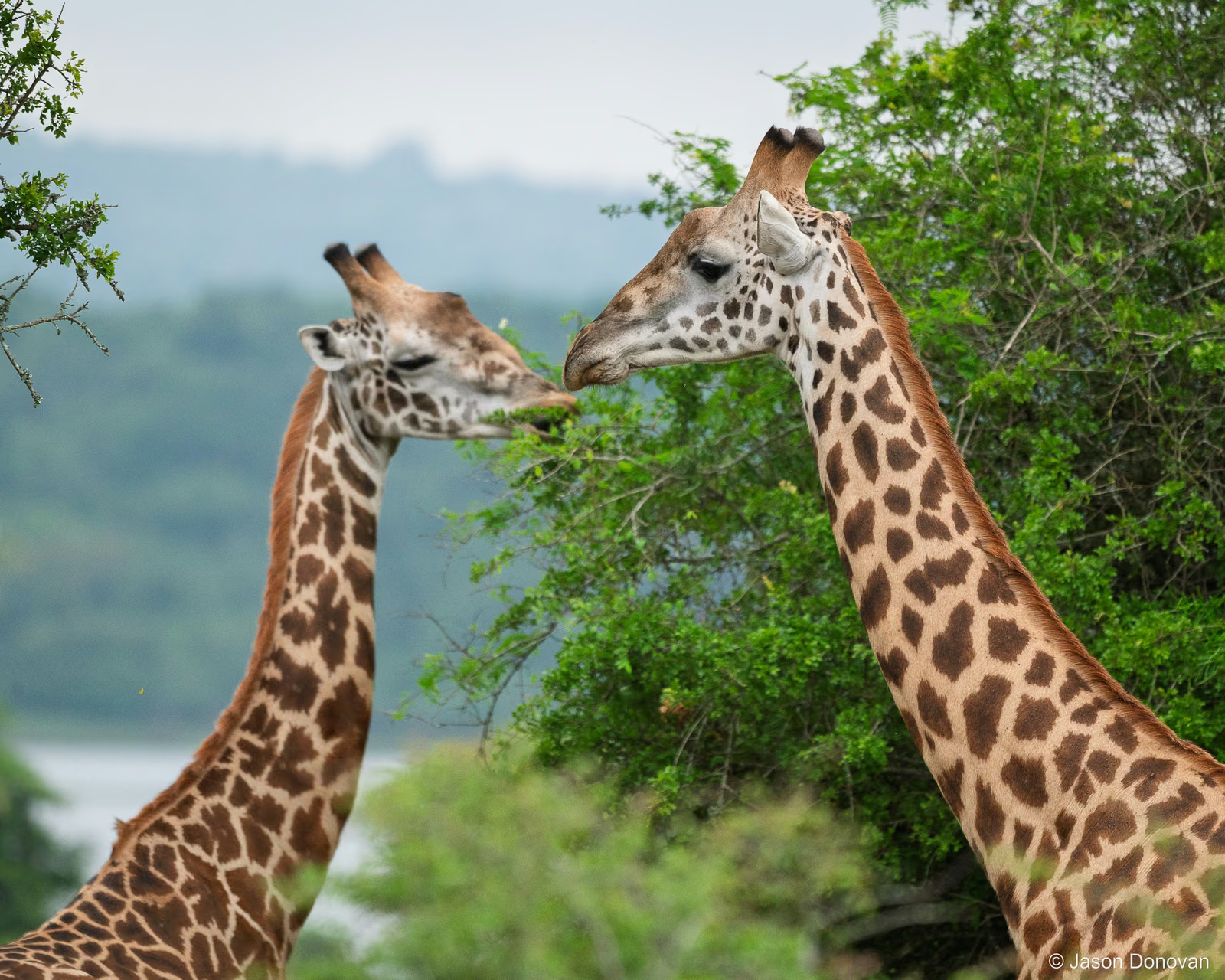
Rwanda's safari country is Akagera National Park, in the east of the country along the border with Tanzania. It covers 1,122 square kilometres of savannah, acacia woodland, papyrus swamp and lakes, and holds lion, leopard, elephant, buffalo, black and white rhino, giraffe, zebra, hippo and crocodile, with raptors and waterbirds everywhere. It is quieter than the famous parks of Kenya and Tanzania, which for a photographer means more time at each sighting and fewer vehicles in the frame. The Akagera safari photography tour page covers the park itself in detail.
Because Akagera is under three hours from Kigali, a photo safari fits easily beside Rwanda's other subjects: mountain gorillas in Volcanoes National Park, chimpanzees and birds in Nyungwe, and the light on Lake Kivu. All of them are covered on our professional Rwanda photography tours.
What you will photograph
All taken on game drives in Akagera. More in the Rwanda photography gallery.
How a photo safari day runs
From about 6:00
Dawn game drive
We are at the gate or out of the lodge as the park opens. The first two hours bring the softest light and the most active animals: lions finishing the night, elephants moving to water, raptors warming up on the dead trees.
Late morning
Boat safari or image review
Two hours on Lake Ihema puts you at water level with hippo, crocodile and waterbirds such as the African fish eagle. Otherwise we go back through the morning’s photographs together while the light is harsh.
From about 15:30
Afternoon game drive
The light warms from mid-afternoon. We go where the morning’s signs pointed, stay with the best sighting until sunset, and finish with the silhouettes and colour over the lakes.
Photography guidance on every drive
- Positioning. A private vehicle, so we can stop, edge forward, turn for the light or wait with the engine off for a steadier shot.
- Settings. Shutter speeds for moving animals and birds in flight, autofocus modes, exposure for dark animals against bright skies.
- Composition. Eye level, clean backgrounds, the animal in its landscape as well as the close portrait.
- Editing. Evening sessions on your own photographs, usually in Lightroom, if you would like them.
Lens advice is in the questions below and in the camera gear FAQs.
Safari photography tours
Three private tours include time on safari in Akagera, each led by me from the first day to the last. Prices are per person; park fees and permits are extra, and each tour page lists exactly what is included.
3 days · 2 days in Akagera, with a night in the park
3-Day Kigali and Safari
A day in Kigali and two days on safari in Akagera: game drives, the Big Five and a boat safari on Lake Ihema. Ideal as a short break or an add-on to a longer stay.
US$1,900 per person
5 days · 2 days in Akagera, then the gorillas
5-Day Safari and Gorillas
Kigali, two days on safari in Akagera, then two days in Musanze — gorilla trekking, the lava caves, craft centres and a day at the Twin Lakes.
US$2,850 per person
13 days · 2 days in Akagera, then Lake Kivu, Nyungwe and the gorillas
13-Day Rwanda Photography Tour
The complete itinerary. Safari, gorillas, rainforest, and the lake. The only way to see the whole of Rwanda.
US$7,600 per person
Want more days in Akagera, or a safari built around birds or one particular animal? Every tour can be changed. Tell me what you have in mind.
What guests say
“Many places, and so much variation. The gorillas were amazing, but I keep looking at my Lake Kivu pictures because the views were spectacular. Rwanda was a surprise and a treat.”
“The birds in Nyungwe were the surprise for me. Plenty to photograph every day, and Jason enjoyed the experience as much as I did, which was great.”
Safari photography questions
What is a safari photography tour?
A safari photography tour is a safari planned around taking photographs rather than simply seeing animals. Game drives are timed for the best light, the vehicle is positioned for a clean background and the right angle, and we stay with a sighting for as long as it is worth photographing. On Raw Africa Photography Tours a professional photographer guides you throughout, with help on camera settings and composition in the field and on editing in the evening.
Where do safari photography tours in Rwanda go?
Akagera National Park in eastern Rwanda, on the border with Tanzania. It is Rwanda’s only savannah park: 1,122 square kilometres of open grassland, acacia woodland, papyrus swamp and lakes, under three hours by road from Kigali. Akagera is home to lion, leopard, elephant, buffalo and both black and white rhino, along with giraffe, zebra, hippo, crocodile, several antelope species and hundreds of bird species.
What lens do I need for safari photography?
A telephoto zoom does most of the work: a 100–400mm or 200–600mm (or similar) covers almost every animal in Akagera. A second body with a wider zoom such as a 24–70mm or 24–105mm lets you show an animal in its landscape without changing lenses. I carry a 600mm and a 70–200mm on game drives. If you have only one lens, bring the longest telephoto zoom you can hold comfortably.
What camera settings work best for safari photography?
For animals that may move, start in shutter priority or manual with auto ISO: 1/1,000 second or faster for walking animals and 1/2,000 second or faster for birds in flight, with the aperture between f/5.6 and f/8. Use continuous autofocus with animal or eye detection if your camera has it, and a burst mode for action. For still animals in low light you can slow the shutter right down if the vehicle engine is off and the lens is supported on a beanbag. We go through settings together on the first drive.
What is the best time of year for safari photography in Rwanda?
Akagera can be photographed all year. The dry seasons, June to September and December to February, bring shorter grass and animals gathering near the lakes, which makes them easier to find and photograph. The wetter months give green backgrounds, dramatic skies and good bird activity. Because Rwanda is close to the equator, the sun rises and sets at about 6:00 every day, so the best light falls between about 6:30 and 8:00 in the morning and 4:30 and 6:00 in the afternoon.
How close will I get to the animals in Akagera?
Close enough for frame-filling portraits of many species. Game drives are in a private vehicle, so we can stop, reposition and wait without other passengers to consider. Akagera receives far fewer visitors than the busiest parks in Kenya and Tanzania, so it is common to have a sighting to yourself. The boat safari on Lake Ihema brings you close to hippo, crocodile and waterbirds at water level.
Can I combine a photo safari with gorilla photography?
Yes, and Rwanda is one of the few places where that is easy. The 5-Day Safari and Gorillas tour spends two days in Akagera and then crosses the country to Volcanoes National Park for mountain gorillas. The 13-day tour adds Nyungwe rainforest and Lake Kivu. The 3-Day Kigali and Safari tour can also be added before or after a gorilla trek.
How does a safari in Rwanda compare with Kenya or Tanzania for photographers?
Akagera is much smaller than the Serengeti or the Masai Mara and has no wildebeest migration, so it is not the place for vast herds. What it offers photographers is space and time: fewer vehicles at each sighting, varied backgrounds of lake, swamp and hill in a single drive, and the chance to photograph the Big Five and mountain gorillas on one short trip.
Do I need to be an experienced photographer?
No. Guests range from beginners with a new camera to professionals. I adjust the guidance to you: some guests want help with the basics of exposure and focus, others only want the vehicle in the right place at the right time.
More answers on gorillas, permits, visas and planning in the Rwanda photography tour FAQs.
Further reading
- From the blogAkagera or the Serengeti? A Safari Photographer's Comparison
- From the blogThe Best Lenses for Safari Photography: What to Bring to Akagera
- From the blogCamera Settings for Safari Photography: A Field Guide from Akagera
- From the blogPhotographing the Big Five in Akagera National Park
- From the blogAkagera Safari: Rwanda's Comeback
- Before you travelRwanda travel guide for photographers
Your guide
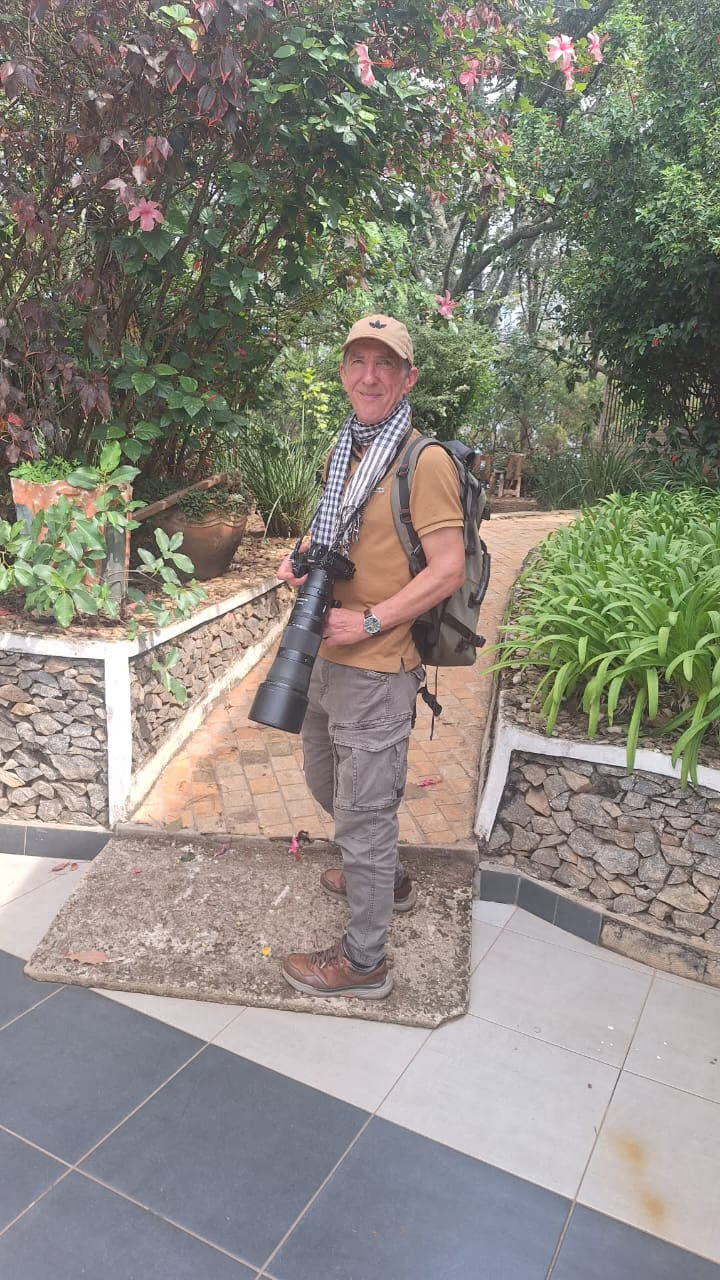
Jason Donovan
Professional photographer and Rwanda specialist. Jason leads every Raw Africa tour himself, from the first day to the last, and helps guests with light, positioning, camera settings and editing along the way. The photographs in the gallery are his, taken on tour in Akagera, Volcanoes National Park, Nyungwe and around Lake Kivu.
About JasonPlan your safari photography tour
Tell me your dates, what you most want to photograph and how long you have. I will reply personally, usually within 24 hours.
Plan My Photo Safari